



WHY REGULAR BLOOD PRESSURE AND CHOLESTEROL MONITORING IS IMPORTANT
Blood pressure and cholesterol levels rarely cause visible symptoms. That’s why they are often called “silent killers.” Many people live with elevated values for years without knowing, until serious complications occur—such as a heart attack, stroke, heart failure, kidney damage, or vision problems.
Timely testing is the best prevention. With simple and painless measurements, you can get an important overview of your health and take action early.
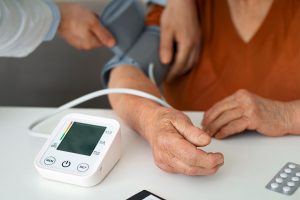
WHAT IS BLOOD PRESSURE AND WHY DOES IT MATTER?
Blood pressure is the force with which the blood presses against the walls of the blood vessels while the heart pumps. High blood pressure (hypertension) increases the workload of the heart and, over time, damages the arteries.
Normal blood pressure should be around 120/80 mmHg. Values over 140/90 mmHg are already considered a risk. People with high blood pressure often have no symptoms, which is why regular monitoring is the only reliable way to detect it early.
Elevated blood pressure is especially dangerous for people with diabetes, excess weight, smokers, and those with a family history of heart disease.
WHAT IS CHOLESTEROL AND HOW DOES IT AFFECT THE HEART?
Cholesterol is a fatty substance that the body produces naturally, but it’s also absorbed from food. There are two types:
- LDL (bad cholesterol): builds up on the walls of blood vessels and forms plaques, which can lead to atherosclerosis
- HDL (good cholesterol): collects excess cholesterol and transports it back to the liver, where it’s broken down
When LDL is high and HDL is low, the risk of heart disease increases significantly. The recommended value for total cholesterol is below 5.0 mmol/L, and for LDL, below 3.0 mmol/L.
HOW OFTEN SHOULD THEY BE CHECKED?
- Blood pressure: at least once a year, starting at age 18. More frequently if you are at risk.
- Cholesterol: every 3 to 5 years if you’re healthy, and annually if you have risk factors (excess weight, diabetes, smoking, or a family history of heart disease).
These checkups are quick, painless, and accessible—and they can prevent serious health problems.
SRCE – CENTER FOR INTERNAL MEDICINE: YOUR SUPPORT IN PREVENTION
At SRCE – Center for Internal Medicine, we offer a complete package for cardiovascular prevention: blood pressure measurement, cholesterol testing, and personalized consultations with a cardiologist or nutritionist.
With just one regular checkup, you gain insight into your heart health and a plan for improvement if needed. Our team is here to guide and support you.
