



WHAT CHRONIC PATIENTS AND OLDER PEOPLE NEED TO KNOW AND DO DURING THE SUMMER
During the summer period, high temperatures put additional strain on the heart and cardiovascular system. Therefore, the heart has to work under additional strain.
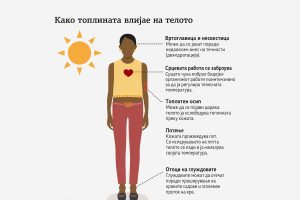
During the summer, we sweat more and lose a significant amount of fluid. In order to restore the balance, the kidneys retain water by absorbing it and returning it to the bloodstream, which causes the stool to become harder and can lead to constipation.
Prevention is key: drink 2–3 liters of water per day, but make sure it does not contain salt. Avoid going out in the sun between 11 a.m. and 5 p.m., and stay in air-conditioned rooms. If going outside is necessary, it should be done in the morning until 10 a.m. and in the afternoon after 6 p.m. This applies to older people, especially those with heart conditions. If possible, avoid the upcoming hot days and extremely high temperatures; go to the mountains, the seaside, or a lake.
BLOOD VESSELS AND BLOOD PRESSURE
When it is hot, the blood vessels in the skin dilate, while less blood remains available for the internal organs, causing blood pressure to drop. This, in turn, leads to reduced blood flow to vital organs, which can cause a heart attack or stroke, as well as kidney and liver failure.
LIGHT FOOD AND LESS SALT
People with blood vessel and heart diseases should pay particular attention to their diet during the summer. It should be light, preferably consisting mainly of boiled foods, light salads, fresh fruit and vegetables, while meals should be smaller and more frequent. It is recommended that food be cold or at least lukewarm, and that drinks be slightly chilled, but not very cold. Patients need 1.5–2 grams of salt per day, which is approximately the amount that fits on the tip of a knife.
THERAPY
It would be advisable for people with chronic conditions to consult their doctor about their therapy during the summer. Any change, uncertainty, or worsening of symptoms is sufficient reason to contact your doctor.
GO OUT IN THE MORNING AND EVENING
Patients whose blood pressure is well regulated can swim, but they should make sure that the sea or water is not too cold. Enter the sea gradually. Swimming should not be avoided, as it is an excellent form of recreation and physical therapy, but the beach should be visited earlier in the morning or in the late afternoon.
BE CAREFUL WITH AIR CONDITIONING
Air conditioners are useful. However, make sure that the temperature inside the room is not more than 4–5 degrees lower than the outside temperature. The direction of the air flow should be along the ceiling and away from the person in the room. When driving a car with the air conditioning on, the air flow should be directed toward the windshield and the feet. Ten minutes before reaching your destination, the temperature should be increased by one or two degrees so that the body can adapt before going outside.
It is well known that high temperatures dilate the blood vessels, which leads to a drop in blood pressure. We also lose fluids through increased sweating and breathing. Therefore, medication for high blood pressure should be adjusted, i.e. reduced, but antihypertensive therapy should not be completely discontinued. High temperatures lead to dehydration – loss of fluids in the body. This exhausts the organism and can weaken the immune system. Therefore, it is necessary to increase fluid intake, as well as fluid intake through food by consuming fresh fruits and vegetables.
MEDICATIONS
When going on vacation, it is necessary to bring a sufficient supply of medication and to consult with your doctor about what to do in case your symptoms worsen. It would also be good to know whether there is a doctor at the holiday destination, where the nearest pharmacy is, which the nearest hospital is, and what transportation options are available.
Dr. Goran Nikolov
