



‘

THE CONNECTION BETWEEN NUTRITION AND CHRONIC DISEASES
Research shows that an unhealthy diet is one of the leading risk factors for developing chronic diseases. According to the World Health Organization (WHO), unhealthy eating habits and insufficient physical activity are responsible for 60 percent of all deaths worldwide.
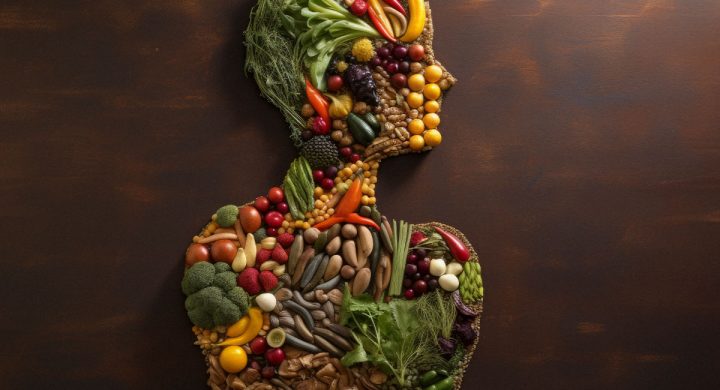
NUTRIGENETICS: HOW YOUR DNA AFFECTS YOUR DIET
Today, more research shows that the way our bodies respond to food is not universal. Two people can eat the same meals but experience completely different results in terms of weight, energy levels, and overall health.
The reason for this lies in genetics. This is where nutrigenetics comes in – a scientific discipline that studies how our genes influence the way our bodies process and utilize different nutrients.
The reason for this lies in genetics. This is where nutrigenetics comes in – a scientific discipline that studies how our genes influence the way our bodies process and utilize different nutrients.

METABOLIC DYSFUNCTION-ASSOCIATED FATTY LIVER: WHAT YOU NEED TO KNOW?
WHAT IS METABOLIC DYSFUNCTION-ASSOCIATED FATTY LIVER DISEASE?
Fatty liver, or metabolic dysfunction-associated steatotic liver disease (MASLD), is a condition in which fat accumulates in liver cells due to metabolic dysfunction.
If fat accumulation is intense and prolonged, this process can lead to liver inflammation, a condition defined as metabolic dysfunction-associated steatohepatitis (MASH).

SIGNS THAT YOU SHOULD VISIT AN ENDOCRINOLOGIST
In recent years, the number of people with hormonal disorders has significantly increased. According to the World Health Organization, approximately 422 million people worldwide live with diabetes, and more than half of them are unaware of their condition. This is just one of many examples highlighting the importance of paying attention to hormonal health. But how can you recognize that you might need to visit an endocrinologist?

HIGH BLOOD PRESSURE IN PREGNANCY AND PREECLAMPSIA: WHAT YOU NEED TO KNOW
High blood pressure during pregnancy is a common health issue that can affect both the mother and the baby. Timely recognition and management of this condition are essential for the health of both.
High blood pressure during pregnancy requires careful monitoring by a team of specialists, including a nephrologist. This is especially crucial when complications such as preeclampsia are involved.
High blood pressure during pregnancy requires careful monitoring by a team of specialists, including a nephrologist. This is especially crucial when complications such as preeclampsia are involved.

SUCCESS STORY: HOW I LOWERED MY BLOOD PRESSURE THROUGH HEALTHY EATING AND WEIGHT LOSS
Lowering blood pressure is crucial for improving overall health. Our patient, D.T., who struggled for years with excessive weight and high blood pressure, managed to significantly enhance his health with the help of Srce – Internal Medicine Center.

HOW TO KEEP YOUR HEART HEALTHY THROUGH SMALL LIFESTYLE CHANGES?
When it comes to heart health, we often think that drastic changes are necessary. However, it has been proven that even small adjustments in lifestyle can have a significant impact on overall heart health. Here are some simple tips to get you started.

WHY ARE REGULAR HEALTH CHECKUPS CRUCIAL FOR EARLY DISEASE DETECTION?
In the hustle of daily life, we often neglect the most valuable thing we have – our health. However, regular health checkups can make the difference between good health and serious complications. They are a fundamental pillar of preventive medicine, focusing on detecting and preventing diseases before they develop.

TESTOSTERONE: A KEY HORMONE FOR HEALTH AND WELL-BEING
Testosterone is often considered a "male" hormone, but it is essential for the health of women as well. This hormone plays a significant role in the body, influencing physical fitness, energy, mood, and sexual function. Its levels naturally decline with age, but certain lifestyle habits and health conditions can also lower testosterone levels.

WHY YOU SHOULD TAKE A CORONARY STRESS TEST?
The coronary stress test is a key component in diagnosing hidden heart diseases, assessing the risk of a heart attack, and determining the proper treatment for patients. Through this test, doctors can evaluate the heart's function under physical stress, gaining significant insights into the health of the coronary arteries and the overall condition of the heart.
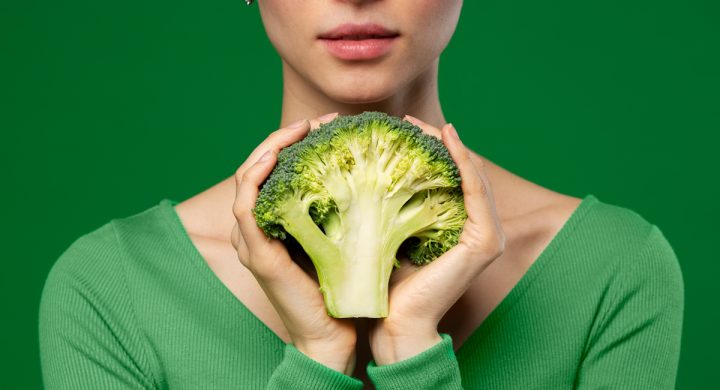
FOOD THAT HELPS NATURAL COLLAGEN PRODUCTION IN THE BODY
Collagen is the most important protein in the human body, making up 35% of all proteins. It is a major component of all connective tissues, muscles, and blood vessels, providing integrity, elasticity, and regeneration for the skin, bones, joints, and cartilage.
Over time, the ideal levels of naturally produced collagen begin to decrease. Collagen fibers break down or fail to regenerate.
A lack of collagen in the body results in musculoskeletal disorders such as:
immunological disorders and physical changes associated with aging, such as wrinkles, cellulite, and the loss of skin and hair elasticity.
Therefore, it is recommended to eat foods rich in collagen to support overall health and reduce the appearance of aging signs on the skin.

FOODS THAT INCREASE COLLAGEN PRODUCTION IN THE BODY
To create collagen, the body synthesizes various nutrients from the food we eat, including amino acids (from protein-rich foods), vitamin C, zinc, copper, sulfur, and omega-3 fatty acids.
To achieve increased collagen levels in the body, practice a balanced diet rich in nutrients required for collagen production, instead of just consuming collagen powders or capsules.
Some foods you can consume to boost collagen production include:
Bone Broth. Bone broth is one of the richest sources of collagen. It is made by boiling animal bones and connective tissue, which release collagen, gelatin, glucosamine, and chondroitin. These compounds are beneficial for joint and skin health.
Chicken Meat. Chicken meat, especially parts with connective tissue like wings and drumsticks, contains high levels of collagen.
Eggs. Eggs contain collagen and other nutrients that support skin and joint health. They also contain sulfur, essential for collagen production.
Fish and Seafood. Fish, especially salmon and tuna, contain high levels of collagen in their skin and scales. Marine collagen is more easily absorbed due to its smaller particle size compared to collagen from other sources.
Garlic. Garlic contains sulfur, which is necessary for collagen production. It also contains taurine and lipoic acid, which help repair damaged collagen fibers.
Citrus and Berries. Although citrus fruits do not contain collagen, they are rich in vitamin C, which is essential for collagen synthesis in the body. Vitamin C helps bind the amino acids proline and lysine into collagen fibers.
Berries such as strawberries, blueberries, and raspberries are also rich in vitamin C and antioxidants, which protect collagen fibers from damage caused by free radicals.
Nuts and Seeds. Nuts and seeds, particularly almonds, pumpkin seeds, and chia seeds, contain zinc and copper, minerals that are necessary for collagen production.
Dark Green Vegetables. Rich in vitamin C, dark green vegetables such as spinach and kale can stimulate collagen production. They help maintain the skin’s barrier, retain moisture, fill wrinkles, and fade acne scars.
Beans. Beans are high-protein foods that often contain lysine, one of the amino acids needed for collagen synthesis. Green beans are also rich in the nutrients required for collagen production.
It is recommended to have at least one meal rich in collagen every day. Avoid excessive sugar consumption and drink plenty of water, as hydration is key to maintaining healthy skin and connective tissue.
Over time, the ideal levels of naturally produced collagen begin to decrease. Collagen fibers break down or fail to regenerate.
A lack of collagen in the body results in musculoskeletal disorders such as:
- Arthritis
- Osteoporosis
- Stiffness
- Impaired bone structure
- Muscle injuries
immunological disorders and physical changes associated with aging, such as wrinkles, cellulite, and the loss of skin and hair elasticity.
Therefore, it is recommended to eat foods rich in collagen to support overall health and reduce the appearance of aging signs on the skin.
FOODS THAT INCREASE COLLAGEN PRODUCTION IN THE BODY
To create collagen, the body synthesizes various nutrients from the food we eat, including amino acids (from protein-rich foods), vitamin C, zinc, copper, sulfur, and omega-3 fatty acids.
To achieve increased collagen levels in the body, practice a balanced diet rich in nutrients required for collagen production, instead of just consuming collagen powders or capsules.
Some foods you can consume to boost collagen production include:
Bone Broth. Bone broth is one of the richest sources of collagen. It is made by boiling animal bones and connective tissue, which release collagen, gelatin, glucosamine, and chondroitin. These compounds are beneficial for joint and skin health.
Chicken Meat. Chicken meat, especially parts with connective tissue like wings and drumsticks, contains high levels of collagen.
Eggs. Eggs contain collagen and other nutrients that support skin and joint health. They also contain sulfur, essential for collagen production.
Fish and Seafood. Fish, especially salmon and tuna, contain high levels of collagen in their skin and scales. Marine collagen is more easily absorbed due to its smaller particle size compared to collagen from other sources.
Garlic. Garlic contains sulfur, which is necessary for collagen production. It also contains taurine and lipoic acid, which help repair damaged collagen fibers.
Citrus and Berries. Although citrus fruits do not contain collagen, they are rich in vitamin C, which is essential for collagen synthesis in the body. Vitamin C helps bind the amino acids proline and lysine into collagen fibers.
Berries such as strawberries, blueberries, and raspberries are also rich in vitamin C and antioxidants, which protect collagen fibers from damage caused by free radicals.
Nuts and Seeds. Nuts and seeds, particularly almonds, pumpkin seeds, and chia seeds, contain zinc and copper, minerals that are necessary for collagen production.
Dark Green Vegetables. Rich in vitamin C, dark green vegetables such as spinach and kale can stimulate collagen production. They help maintain the skin’s barrier, retain moisture, fill wrinkles, and fade acne scars.
Beans. Beans are high-protein foods that often contain lysine, one of the amino acids needed for collagen synthesis. Green beans are also rich in the nutrients required for collagen production.
It is recommended to have at least one meal rich in collagen every day. Avoid excessive sugar consumption and drink plenty of water, as hydration is key to maintaining healthy skin and connective tissue.
Monika Velinova, Nutritionist, BSc – Food Technologist

WORLD OSTEOPOROSIS DAY: PREVENTION AND CARE FOR BONE HEALTH
World Osteoporosis Day (WOD) is celebrated every year on October 20 as a global initiative to raise awareness of the importance of bone health and the prevention of osteoporosis. This disease is a silent killer of bones, developing for years without symptoms until the first fracture occurs, which can cause serious and lasting consequences.

PREVENTION (VACCINATION) AGAINST PNEUMOCOCCAL DISEASE
Pneumococcal disease is a term used for diseases caused by the bacteria Streptococcus pneumoniae, also known as pneumococcus. Streptococcus pneumoniae (pneumococcus) is a gram-positive bacterium that causes a wide range of diseases in humans.

TODAY IS WORLD HEART DAY – DR. MATEJ NIKOLOV
Every year on September 29, "World Heart Day" is celebrated, reflecting key issues and topics related to heart health.
From 2024 to 2026, the theme of the campaign will be: "Use Heart for Action," encouraging individuals to take care of their hearts and urging national leaders to seriously consider the importance of cardiovascular health.
From 2024 to 2026, the theme of the campaign will be: "Use Heart for Action," encouraging individuals to take care of their hearts and urging national leaders to seriously consider the importance of cardiovascular health.

HOW TO MAINTAIN IMMUNITY AFTER THE SUMMER
Summer is a time when we feel more active, are exposed to the sun, and are full of energy. However, as the autumn and winter months approach, it is necessary to make certain changes to our daily habits to keep our bodies healthy and prepared for the cold weather.

SUCCESSFUL STORY: MY OBSTRUCTIVE SLEEP APNEA AND HEART PALPITATIONS IMPROVED WITH THE NUTRITIONAL PROGRAM AT SRCE – CENTER FOR INTERNAL DISEASES
Excess weight can lead to various health issues, including increased heart palpitations and obstructive sleep apnea. Our patient, M.S., had been dealing with elevated body weight for a long time, which consequently led to other obesity-related disorders.
THE SECRET OF THE DIGESTIVE SYSTEM – NORMAL BACTERIAL FLORA
The human body is inhabited by a variety of microorganisms collectively referred to as the microbiome. These represent the normal flora, living and multiplying on the surface of the skin and mucous membranes. The intestines and the oral cavity are the most densely populated areas with them.

DEHYDRATION: CAUSES, SYMPTOMS, TREATMENT, AND PREVENTION
Every day, we intake a certain amount of water into our bodies through food and liquids, while simultaneously losing a certain amount (through urination, breathing, sweating). The balance between fluid intake and loss in the body is usually maintained, but in some conditions, insufficient intake or greater loss of fluid can lead to dehydration.

REFLUX: WHAT CAUSES IT AND HOW TO CONTROL IT
Gastroesophageal reflux, commonly known as reflux or GERD (gastroesophageal reflux disease), is a common health issue that affects many people. It occurs when stomach acids flow back into the esophagus, causing irritation and discomfort. But what causes reflux, what are its symptoms, and how can it be controlled through dietary and lifestyle changes?

HOW TO REDUCE STRESS AND IMPROVE MENTAL HEALTH
Stress is the body's natural response to challenges or demands and is part of our evolution. In certain situations, stress can be beneficial as it helps us handle challenges or dangers. When we are stressed, our body releases hormones like adrenaline and cortisol, which enhance our ability to react. However, when stress is prolonged or chronic, it can have negative effects on our physical and mental health.

DRINKING COFFEE IMMEDIATELY AFTER WAKING UP
Do you belong to the group of people who cannot start their day without their favorite coffee? Is coffee the first thing you consume when you wake up?
‘
