



HIGH BLOOD PRESSURE IN PREGNANCY AND PREECLAMPSIA: WHAT YOU NEED TO KNOW
High blood pressure during pregnancy is a common health issue that can affect both the mother and the baby. Timely recognition and management of this condition are essential for the health of both.
High blood pressure during pregnancy requires careful monitoring by a team of specialists, including a nephrologist. This is especially crucial when complications such as preeclampsia are involved.
WHAT IS HIGH BLOOD PRESSURE IN PREGNANCY?
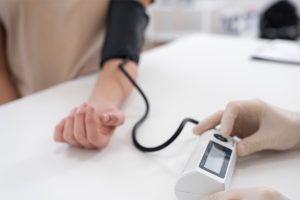
High blood pressure, or hypertension, in pregnancy occurs when blood pressure readings are 140/90 mmHg or higher on at least two occasions. This may be:
- Chronic hypertension: Present before pregnancy or appearing before the 20th week.
- Gestational hypertension: Occurs after the 20th week of pregnancy and typically resolves after delivery.
HOW IS THIS CONDITION TREATED?
Managing high blood pressure and preventing preeclampsia require regular gynecological and nephrological check-ups. Your doctor will prescribe pregnancy-safe medications, and the nephrologist will adjust the treatment as needed.
Monitoring the condition involves frequent blood pressure checks and blood and urine tests to track proteinuria and kidney function. Lifestyle changes are also crucial, including:
- A low-sodium diet.
- A balanced diet rich in vitamins and minerals.
- Rest and stress reduction.
In severe cases, early delivery may be necessary.
WHAT IS PREECLAMPSIA?
Preeclampsia is a serious condition that occurs after the 20th week of pregnancy and is associated with:
- High blood pressure.
- Protein in the urine.
- Other symptoms such as headaches, blurred vision, swelling of the face and hands, and upper abdominal pain.
Without treatment, preeclampsia can lead to dangerous complications, including:
- Premature delivery.
- Severe kidney, liver, or blood clotting issues.
- Complications for the baby, such as preterm birth.
WHY IS THE NEPHROLOGIST IMPORTANT?
A nephrologist plays a critical role in diagnosing and monitoring kidney health in pregnant women with high blood pressure and preeclampsia. Key contributions include:
Diagnosing kidney damage: Kidney function is assessed through blood, urine, and kidney ultrasound tests.
Monitoring proteinuria: The presence of proteins in the urine is an important indicator of preeclampsia.
Managing hypertension: The nephrologist ensures the safest medications are used to control blood pressure during pregnancy.
WHEN TO SEEK EMERGENCY MEDICAL HELP
Contact your doctor immediately if you notice any of the following symptoms:
- Severe headaches that do not go away.
- Blurred or reduced vision.
- Severe swelling of the face, hands, or feet.
- Pain in the upper abdomen.
- Sudden decrease in urine output.
AFTER DELIVERY
Some women may continue to have high blood pressure or kidney problems after delivery. It is important to continue regular check-ups with a nephrologist.
– Prof. Dr. Biljana Gerasimovska
