



DEHYDRATION: CAUSES, SYMPTOMS, TREATMENT, AND PREVENTION
Every day, we intake a certain amount of water into our bodies through food and liquids, while simultaneously losing a certain amount (through urination, breathing, sweating). The balance between fluid intake and loss in the body is usually maintained, but in some conditions, insufficient intake or greater loss of fluid can lead to dehydration.
Water is crucial for the proper functioning of our bodies, including regulating body temperature, lubricating joints, digestion, eliminating unnecessary and harmful substances, and transporting oxygen, among other things. When the body doesn’t have enough fluid, these functions become disrupted.
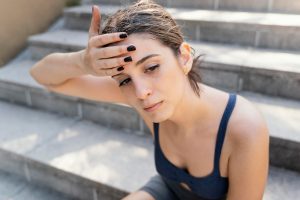
CAUSES OF DEHYDRATION
Losing large amounts of fluid occurs during vomiting, diarrhea, excessive sweating (in very high temperatures or during physical activity), and frequent urination, particularly in diabetics. Infants and young children dehydrate more easily than older children and adults due to faster fluid loss.
In children, the most common cause of dehydration is viral infections that cause diarrhea, vomiting, high fever, and reduced desire to eat or drink. Dehydration can be mild, moderate, or severe, depending on the amount of fluid lost.
DEHYDRATION IN THE ELDERLY
It’s important to note that elderly people are at higher risk of complications from fluid loss. Maintaining adequate hydration is key to preventing health complications.
Causes of dehydration in the elderly include:
Reduced sense of thirst. With age, the sense of thirst may weaken, so the elderly often don’t feel the need to drink water.
Physiological changes. As we age, the body’s ability to retain water decreases, and the kidneys become less efficient at concentrating urine.
Medications. Some medications taken by older adults have a diuretic effect, which further leads to fluid loss.
Chronic illnesses. Conditions such as diabetes, kidney disease, and dementia can increase the risk of dehydration.
Reduced mobility. Difficulties in moving make it harder for the elderly to access and consume fluids.
SYMPTOMS OF DEHYDRATION: HOW TO RECOGNIZE DEHYDRATION?
Symptoms of dehydration include: feeling thirsty, dry mouth, dry and coated tongue, facial redness, dry skin, little or no tearing, headache, dark and concentrated urine, hard stools or constipation, drowsiness and fatigue, weak pulse, faster heart rate, leg and arm cramps, reduced sweating, nausea, vomiting, etc.
Dehydration in infants can be recognized by a sunken fontanelle. In severe dehydration, symptoms include extreme thirst, dizziness, low blood pressure, constipation lasting several days, fever, fainting, and loss of the urge to urinate. This can lead to confusion, coma, and death, requiring immediate medical attention.
TREATMENT OF DEHYDRATION
The treatment depends on the degree of dehydration and its cause. Fluid loss can be replenished orally (by drinking), through a tube, or intravenously. Intravenous fluid administration is necessary in children with severe dehydration to quickly replenish the lost fluid in circulation. In most cases, dehydration is treated by consuming sufficient amounts of fluid or special rehydration solutions that replace the water and electrolytes lost.
HOW TO PREVENT EXCESSIVE FLUID LOSS AND DEHYDRATION?
The best protection against dehydration is prevention, i.e., adequate fluid intake through food and drinks. For children, it’s especially important to establish a routine of regular fluid intake, recognizing situations (illness, fever, intense physical exertion, teething) that require increased fluid intake. For infants, regular, frequent feeding is necessary.
To prevent dehydration, it’s important to drink water before feeling thirsty because, by the time you feel thirsty, mild dehydration has already occurred. Your diet should include more foods like fresh fruits and vegetables, and you should avoid alcohol intake and spending time in air-conditioned spaces.
SCHEDULE A REGULAR CHECKUP AT SRCE – INTERNAL MEDICINE CENTER
Hydration is essential for maintaining overall health and well-being. Pay attention to your water intake and take proactive steps to stay hydrated. If you have any concerns about your health, schedule a regular checkup and consult with our team at Srce – Internal Medicine Center.
D-r. Nina Nikolova, general practitioner
