
FOOD THAT HELPS NATURAL COLLAGEN PRODUCTION IN THE BODY
Collagen is the most important protein in the human body, making up 35% of all proteins. It is a major component of all connective tissues, muscles, and blood vessels, providing integrity, elasticity, and regeneration for the skin, bones, joints, and cartilage.
Over time, the ideal levels of naturally produced collagen begin to decrease. Collagen fibers break down or fail to regenerate.
A lack of collagen in the body results in musculoskeletal disorders such as:
- Arthritis
- Osteoporosis
- Stiffness
- Impaired bone structure
- Muscle injuries
immunological disorders and physical changes associated with aging, such as wrinkles, cellulite, and the loss of skin and hair elasticity.
Therefore, it is recommended to eat foods rich in collagen to support overall health and reduce the appearance of aging signs on the skin.

FOODS THAT INCREASE COLLAGEN PRODUCTION IN THE BODY
To create collagen, the body synthesizes various nutrients from the food we eat, including amino acids (from protein-rich foods), vitamin C, zinc, copper, sulfur, and omega-3 fatty acids.
To achieve increased collagen levels in the body, practice a balanced diet rich in nutrients required for collagen production, instead of just consuming collagen powders or capsules.
Some foods you can consume to boost collagen production include:
Bone Broth. Bone broth is one of the richest sources of collagen. It is made by boiling animal bones and connective tissue, which release collagen, gelatin, glucosamine, and chondroitin. These compounds are beneficial for joint and skin health.
Chicken Meat. Chicken meat, especially parts with connective tissue like wings and drumsticks, contains high levels of collagen.
Eggs. Eggs contain collagen and other nutrients that support skin and joint health. They also contain sulfur, essential for collagen production.
Fish and Seafood. Fish, especially salmon and tuna, contain high levels of collagen in their skin and scales. Marine collagen is more easily absorbed due to its smaller particle size compared to collagen from other sources.
Garlic. Garlic contains sulfur, which is necessary for collagen production. It also contains taurine and lipoic acid, which help repair damaged collagen fibers.
Citrus and Berries. Although citrus fruits do not contain collagen, they are rich in vitamin C, which is essential for collagen synthesis in the body. Vitamin C helps bind the amino acids proline and lysine into collagen fibers.
Berries such as strawberries, blueberries, and raspberries are also rich in vitamin C and antioxidants, which protect collagen fibers from damage caused by free radicals.
Nuts and Seeds. Nuts and seeds, particularly almonds, pumpkin seeds, and chia seeds, contain zinc and copper, minerals that are necessary for collagen production.
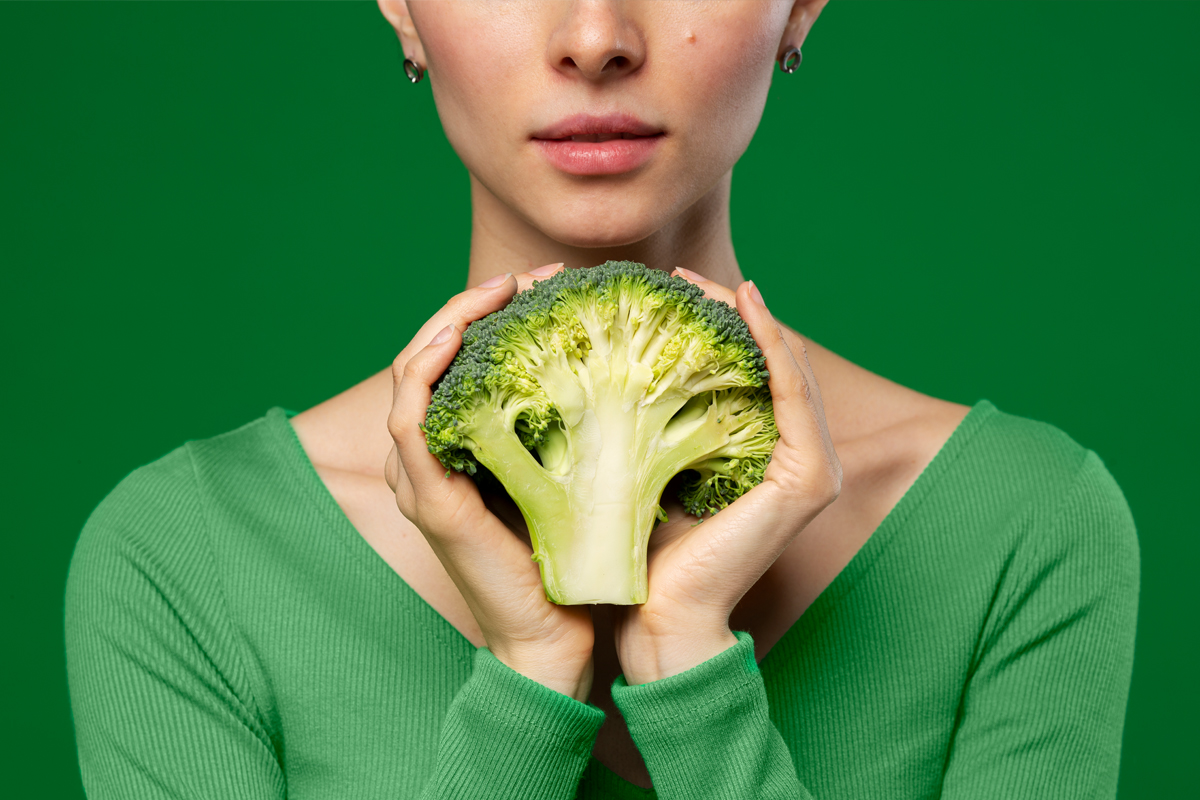
Dark Green Vegetables. Rich in vitamin C, dark green vegetables such as spinach and kale can stimulate collagen production. They help maintain the skin’s barrier, retain moisture, fill wrinkles, and fade acne scars.
Beans. Beans are high-protein foods that often contain lysine, one of the amino acids needed for collagen synthesis. Green beans are also rich in the nutrients required for collagen production.
It is recommended to have at least one meal rich in collagen every day. Avoid excessive sugar consumption and drink plenty of water, as hydration is key to maintaining healthy skin and connective tissue.
Monika Velinova, Nutritionist, BSc – Food Technologist