



THE IMPORTANCE OF WEIGHT LOSS IN NEW PATIENTS WITH TYPE 2 DIABETES
Diabetes is a common chronic metabolic disease. More than half a billion people have diabetes, and the number is expected to increase to 1.3 billion in the next 30 years. Most (96%) of the affected people are facing type 2 diabetes. In Macedonia, 6.1% of the population between 20 and 79 years old has diabetes.
Over the years, scientists have dedicated their work to seeking effective solutions for preventing, controlling, and remissioning the disease. A research conducted at the Chinese University of Hong Kong establishes a clear connection between timely weight loss and the remission of type 2 diabetes. The term “remission” refers to the state of resting or maintaining control over the disease.
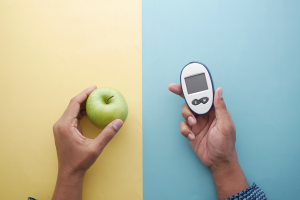
WHAT IS DIABETES?
Diabetes arises when blood sugar levels increase due to insufficient or absent insulin production by the pancreas or inadequate response to insulin within the body, resulting in an increase in blood glucose or hyperglycemia. Insulin is a hormone responsible for the transfer of sugar (glucose) into all body cells, which is then used as a source of energy.
There are several types of diabetes, and the most common are:
- Blood sugar levels are elevated, yet they do not reach the threshold for an official diagnosis of type 2 diabetes.
- Type 2.This is the most common type of diabetes in adult and obese people and occurs due to insufficient insulin production and insulin resistance.
- Type 1.Type 1 diabetes is an autoimmune condition where the immune system, for reasons still unknown, targets and destroys the insulin-producing cells. While it is commonly diagnosed in children and young individuals, it can manifest at any age.
- Gestational diabetes. This type of diabetes can develop in some women during pregnancy. It usually resolves after pregnancy, but it can be an indicator of type 2 diabetes later in life.
WHAT ARE THE CAUSES OF TYPE 2 DIABETES?
The most common cause of type 2 is insulin resistance. It occurs when muscle, liver, or fat tissue cells do not respond appropriately to the insulin produced. Common causes of this disease are:
- Obesity
- Central obesity, i.e., obesity in the abdomen
- Lack of physical activity
- Improper diet
- Hormonal imbalance
- Genetic factors
- Certain medications, including corticosteroids
HOW DOES WEIGHT LOSS HELP THE REMISSION OF TYPE 2 DIABETES?
Accumulation of excess fat in the liver and pancreas has been identified as a factor influencing the appearance of type 2 diabetes. Various studies, including research conducted by the Chinese University of Hong Kong, indicate that losing stored fat, or weight reduction, can contribute to achieving diabetes remission.
The study found that remission is most likely to occur if you reduce your weight as quickly as possible, i.e., 1 year after diagnosis. People who lost more than 10% of their body weight within 1 year of diagnosis were three times more likely to achieve remission, while those who lost between 5% and 9.9% were twice as likely to achieve remission compared with those who experienced no change in their body weight or gained weight.
Although this study demonstrates the possibility of disease remission because of weight loss, only 6.1% of subjects remained in remission during a mean follow-up of 7.9 years. Maintaining long-term remission proved to be a challenge for the subjects—about 20% annually of those who achieved remission experienced hyperglycemia again.
Long-term diabetes remission requires a constant commitment to a healthy lifestyle and maintaining a lower body weight.
SRCE – INTERNAL MEDICINE CENTER: LOSE WEIGHT WITH THE HELP OF A NUTRITIONAL DIET PLAN
Not everyone who loses weight will succeed in putting diabetes into remission. But losing weight has other health benefits associated with this disease, such as better blood sugar regulation, taking fewer medications and reducing the risk of complications. Even a few pounds can make a difference in your body and make you feel healthier and more agile.
The doctor’s team at Srce – Internal Diseases Center can help you detect type 2 diabetes promptly with the help of the latest clinical laboratory tests. Consult with our nutritionist and specialist to prepare a personal diet that will help you successfully lose weight to reverse the disease, as well as a diet to maintain body weight if diabetes is in remission.
