



EARLY DIABETES SYMPTOMS AND HOW TO DETECT IT ON TIME
In Europe, 1 in 11 adults has diabetes, and it is anticipated that the number of affected individuals will reach 69 million by 2045. Symptoms of diabetes can vary from person to person, with some individuals not exhibiting any symptoms before being diagnosed with the disease. In Macedonia, the average time required for someone to receive a diabetes diagnosis is 3 to 5 years.
However, there are several symptoms that are often observed in people with diabetes. Such symptoms include increased thirst, increased need for urination, constant feelings of fatigue, and unexpected weight loss. These symptoms manifest when the body fails to utilize glucose as an energy source, leading to its accumulation, either entirely or partially, in the bloodstream. To mitigate elevated blood glucose levels, the body increases urine production, resulting in a heightened frequency of urination. This, in turn, leads to an increased sense of thirstiness.
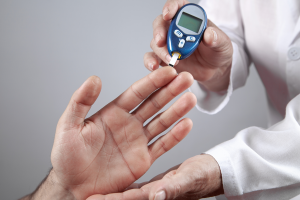
RECOGNITION OF EARLY SYMPTOMS OF DIABETES
Diabetes symptoms can differ depending on its type, but the most common are:
Frequent urination. Frequent urination is one of the main indicators of diabetes. When the blood sugar level is elevated, the kidneys excrete a larger amount of urine in order to excess glucose from the body.
Increased thirst and dry mouth. Another manifestation is increased thirst and dry mouth, stemming from the frequent need to urinate. While people may often associate these symptoms with hot weather or inadequate water intake, persistent thirst combined with frequent urination may signal insufficient insulin production.
Dry skin. Dry skin is also a noteworthy symptom in individuals with diabetes, as they often struggle to maintain proper skin moisture. If you observe dry skin, especially on your feet, it is essential to be vigilant for other diabetes symptoms.
Reduced ability of the body to heal skin wounds. Diabetes can impact the body’s ability to heal skin wounds efficiently, posing a heightened risk of infection, particularly when nerve damage is present. Nerve damage reduces sensitivity to cuts, scrapes, or sores, increasing the likelihood of infection at the affected site.
Blurred vision or eye problems. Blurred vision or eye problems may manifest as early symptoms of diabetes, including loss of vision or the appearance of black spots. Nevertheless, it is crucial to consult a specialist as these symptoms can also arise from vision disorders.
Unexplained weight loss. Sudden, unexplained weight loss, especially when you are not on a diet, is an indication of potential health issues. Conduct additional tests to identify the cause, which at times may be indicative of diabetes.
ADDITIONAL SYMPTOMS FOR DIFFERENT TYPES OF DIABETES
In addition to the common symptoms of diabetes, other symptoms may develop depending on the type of the disease.
TYPE 1 DIABETES SYMPTOMS
Symptoms of type 1 diabetes can develop in just a few weeks or months. Additional symptoms of diabetes may include:
- Nausea
- Vomiting
- Abdominal pain
- Acetone like breath smell
- Labored breathing
These symptoms are associated with a diabetic complication called ketoacidosis and can be life-threatening.
TYPE 2 DIABETES SYMPTOMS
Often, it takes several years for symptoms of type 2 diabetes to develop. Some people may not notice any symptoms because they are not as sudden and intense as in patients with type 1 diabetes. It is crucial to know the risk factors that may contribute to the onset of the disease. Such factors include:
- Elevated blood sugar levels or prediabetes
- Obesity
- Previous family history of the disease
- Insufficient physical activity
- Diagnosed gestational diabetes
GESTATIONAL DIABETES SYMPTOMS
Gestational diabetes is often not accompanied by symptoms. If you are pregnant, your doctor should conduct a diabetes test between the 24th and 28th weeks of pregnancy for early detection of the disease. Gestational diabetes may serve as an indicator of type 2 diabetes in later years.
HOW TO DETECT DIABETES?
Diabetes is diagnosed through tests that determine the level of sugar in the blood. There are four types of tests:
- Fasting blood glucose test. In this type of testing, the patient should refrain from eating or drinking anything except water for 8 hours before the test. This allows your doctor to observe the initial level of blood sugar unaffected by food intake.
- Random glucose testing. This test can be conducted at any time, regardless of whether you have eaten or not.
- HbA1C test or glycated hemoglobin test. This test is performed using a special device that helps determine the three-month sugar level, representing the average glucose level over the past three months.
- OGTT (Oral Glucose Tolerance Test). This test is used to detect latent or hidden sugar and to diagnose gestational diabetes, diabetes in pregnant women.
A patient is diagnosed with diabetes when blood glucose is measured above 7.0mmol/L on two separate occasions.
CONTROLLING DIABETES
Monitoring the blood sugar levels is crucial to determine the effectiveness of your current treatment plan. Based on the results, your doctor will prescribe an appropriate therapy to bring your sugar levels within an acceptable range for you. Diabetes is commonly managed with the help of oral diabetes medications and insulin injections.
For maintaining an optimal blood sugar level and managing diabetes, it is crucial to follow a healthy diet plan prepared by a nutritionist and a specialist, along with regular physical activity that improves tissue and muscle insulin sensitivity.
DIET AS A PREVENTION OF DIABETES: CREATING A NUTRITIONAL PLAN AT THE SRCE – INTERNAL MEDICINE CENTER
Obesity is considered one of the most common causes of type 2 diabetes. Therefore, weight reduction is crucial in preventing this disease. At the Srce – Internal medicine center, we develop a personalized diet plan created by a nutritionist and specialized doctor to assist you in preventing and managing diabetes.
If you experience any of the early symptoms of diabetes, schedule a check-up and testing to aid in early detection and successful disease management.
